LIC #455854C • Licensed & Insured
LIC #455854C • Licensed & Insured
Most people assume hair going down the shower drain is normal and harmless. The problem is, it usually builds up slowly over time until one day the water suddenly stops draining properly and the shower tray starts filling up around your feet.
By the time a plumber gets called out, the blockage normally isn’t “just hair” anymore.
What usually gets pulled out of blocked shower drains around Sydney homes is a mix of hair, soap scum, body fat, shampoo residue, dirt, lint and sometimes even building debris from renovations. Once all of that combines together inside the pipework, it forms a thick sludge that sticks to the inside of the drain and traps even more hair as time goes on.
In older homes especially, it’s very common to find years of buildup sitting inside the shower waste line.
A lot of homeowners are surprised by how bad these blockages can actually get.
Hair on its own usually passes through the drain without much trouble.
The issue starts when hair combines with soap residue and greasy buildup inside the pipe. Once the pipe walls become sticky, hair starts catching instead of washing away properly.
Over months or years, the blockage slowly gets thicker.
This is why shower drains often start with small warning signs first:
A lot of people ignore these signs for quite a while because the shower is still “sort of draining.”
Then eventually it blocks completely
Honestly, some shower blockages are pretty nasty.
Quite often the blockage looks like a thick black clump that feels almost rubbery once it’s removed. That’s because it’s usually not just hair anymore.
Inside the drain there can be:
This is by far the most common one.
Soap residue coats the inside of the pipe and acts almost like glue. Hair sticks to it and slowly forms a mat inside the line.
Long hair tends to create worse blockages faster but short hair still causes problems over time.
Homes with multiple occupants usually experience this much more frequently.
A lot of modern hair products leave residue behind inside the pipework.
Conditioners especially can contribute to greasy buildup inside shower waste pipes.
Over time this narrows the drain diameter and allows hair to snag easier.
This sounds unpleasant because it is.
Warm water carries oils, body products and skin particles down the drain every single day. Once
it cools inside the pipe, some of that residue sticks to the pipe walls.
Hair then wraps around it.
Bathrooms where people shave in the shower often block quicker.
Quite often plumbers pull out thick clumps containing hair trimmings mixed with shaving cream
residue and soap buildup.
This catches a lot of people out.
After bathroom renovations, it’s surprisingly common to find grout, tile adhesive, render or plaster washed into shower drains during construction.
Those materials harden inside the pipe and catch hair almost immediately afterwards.
Quite a few “new bathroom” drain issues actually trace back to poor cleanup during renovations.
Around older parts of Sydney like Blacktown, Parramatta, Ryde and the Inner West, many homes still have ageing drainage systems with older pipe materials and flatter drainage falls.
That creates the perfect conditions for buildup.
Older pipes often develop:
Hair catches much easier inside rough old pipework compared to newer PVC drainage systems.
Sometimes a homeowner thinks they simply have a hair blockage but after inspection it turns out the pipe itself is partially collapsed underneath the bathroom floor.
A lot of homeowners try chemical drain cleaners first.
Sometimes they appear to work temporarily but quite often they only burn a small hole through the middle of the blockage rather than clearing the entire buildup properly.
The surrounding sludge remains stuck to the pipe walls and the drain blocks again not long after.
There are also situations where drain cleaners can actually create more problems.
Older pipes, chrome wastes and cheap fittings sometimes get damaged by repeated chemical use. Plumbers also regularly arrive onsite to find strong chemical residue still sitting inside the pipe which becomes a safety issue during repairs.
Some products can even harden certain types of buildup rather than dissolving it properly.
One of the biggest mistakes people make is repeatedly jamming objects down the shower waste, trying to stab the blockage apart.
Things like:
Sometimes this pushes the blockage further down the pipe where it becomes harder to remove.
Other times it damages the waste fitting itself.
Quite often the drain starts leaking underneath the bathroom afterwards because the waste seal or pipe connection gets disturbed.
The way a blockage gets cleared depends on how severe it is.
For simple blockages near the waste opening, quite often the hair can be manually removed once the grate is lifted.
Usually this works best when the blockage is still close to the surface.
For deeper blockages, plumbers may use specialised drain cleaning equipment designed for smaller waste pipes.
This breaks apart heavy buildup further inside the line.
For severe blockages or recurring issues, a high-pressure jet blast may be required.
This properly scours the inside of the pipe walls and removes years of accumulated buildup rather than just poking a temporary hole through it.
Jet blasting is especially useful when soap sludge and grease have coated long sections of pipework.
If the shower keeps blocking repeatedly, a drain camera inspection may be recommended.
This allows the pipe condition to actually be inspected properly.
Quite often recurring “hair blockages” turn out to involve:
Without inspection, the real issue sometimes gets missed completely.
Sometimes the shower drain itself isn’t the actual problem.
There are a few warning signs plumbers look for that suggest a larger drainage issue may exist.
If the shower, basin and toilet all start acting strangely around the same time, the blockage may be further down the sewer line rather than inside the shower waste pipe alone.
This often indicates pressure problems inside the drainage system caused by a downstream blockage.
A simple hair blockage usually creates a stale smell.
Strong sewer odours can suggest ventilation issues or larger drainage problems.
Sometimes shower water backs up through floor wastes or nearby drains if the blockage is deeper in the line.
That usually points to a more significant drainage issue.
Prevention honestly makes a massive difference.
A few small habits can dramatically reduce shower drain blockages.
Simple drain strainers work surprisingly well when cleaned regularly.
A lot of people install them then forget to empty them though.
Running hot water through the shower drain occasionally can help reduce soap buildup before it thickens.
Even small amounts of grout or plaster can create long-term issues inside drainage systems.
The earlier a blockage gets addressed, the easier it usually is to clear.
Waiting until the shower fully blocks often means a much larger cleanup job
Some properties genuinely experience repeat issues despite regular cleaning.
Usually there’s an underlying reason.
Common causes include:
Sometimes waste pipes were installed with insufficient fall during construction.
Water then drains too slowly which allows buildup to occur faster.
Some bathroom layouts require extended pipe runs underneath the floor.
Longer runs give hair and sludge more opportunity to settle.
Certain low-quality waste fittings catch debris much easier than properly designed drainage fittings.
In some apartment buildings and duplexes, multiple fixtures tie into common drainage sections which can increase blockage frequency.
The cost depends heavily on the severity of the blockage and how far inside the drainage system the problem extends.
Simple shower waste blockages are generally fairly straightforward. But if specialised equipment, jet blasting or camera inspections are required, costs naturally increase.
Quite often plumbers can tell within the first few minutes whether it’s a basic blockage or something more involved.
One thing homeowners sometimes misunderstand is that the visible symptoms don’t always reflect the actual problem underground. A shower draining slowly could be a simple hair blockage or it could be the early signs of a larger sewer issue.
That’s why proper diagnosis matters.
You should generally call a plumber if:
Recurring blockages nearly always mean there’s more going on than just a small clump of hair near the grate.
Yes, hair can absolutely block a shower drain.
But in real life plumbing jobs, it’s rarely just hair on its own causing the problem.
Most shower drain blockages involve years of buildup combining together inside the pipework until the drainage system can no longer cope properly.
The good news is that many shower blockages are preventable with early maintenance and proper cleaning habits. If your shower is draining slowly, making noises or repeatedly blocking, it’s usually worth getting it checked before the issue becomes a much bigger drainage problem.
At Plus Plumbing, blocked drains and shower drainage issues are dealt with across Sydney every week. Whether it’s a simple shower waste blockage or a larger sewer problem underneath the property, proper investigation makes all the difference in finding the real cause.

Fill out the details below and we’ll get in touch to organise your free trial job
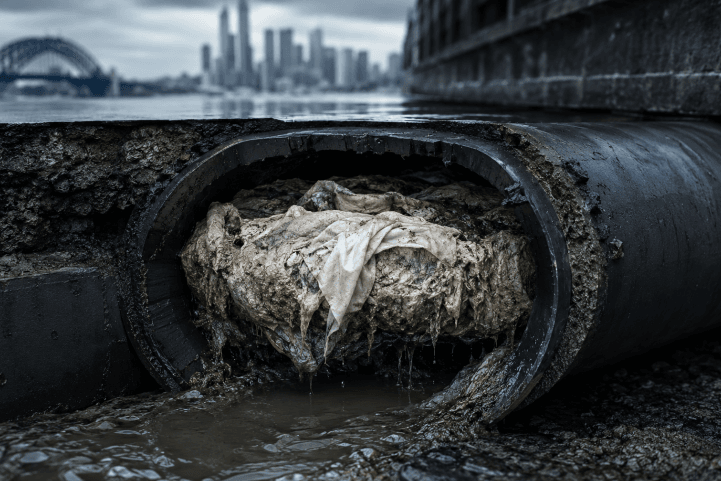
Most people have heard the term “flushable wipes” by now. The problem is, plumbers across Sydney are pulling these things...
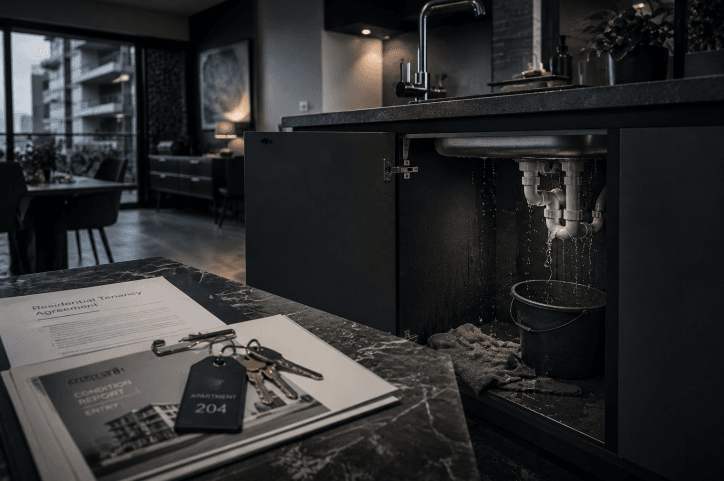
One of the most common situations seen in Sydney plumbing is a tenant reporting a major leak or blocked sewer...
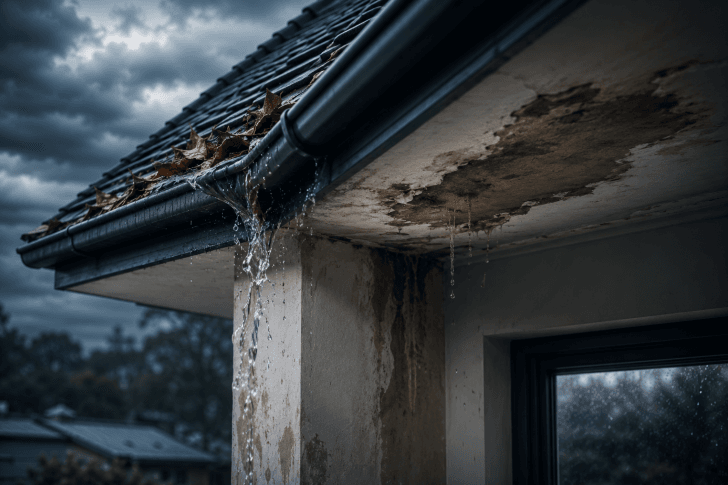
Written By Plus Plumbing Can Blocked Gutters Cause Internal Water Damage? Absolutely. Blocked gutters are one of the most common...
Written By Plus Plumbing Burst Flexi Hoses Explained | The $20 Plumbing Part That Floods Homes Most people don’t even...

Written By Plus Plumbing Are Flushable Wipes Actually Flushable? A Plumber’s Honest Answer There’s a good chance this article exists...

Written By Plus Plumbing How Long Do Hot Water Systems Last? Tips for Your HWS Hot water systems (HWS) are...
Serving the entire Sydney region, Plus Plumbing ensures prompt and reliable service to meet all your plumbing needs, no matter where you are located.
Every customer is important to us, so we always respond to quote requests within 24 hours (business days). Some requests need a site visit and appraisal, but you can rest assured we’ll be in touch as soon as we can and get things moving.

Free Quote
Choose an offer below and claim it before booking.
Book your plumbing service online and receive $50 off any paid service.
Never used Plus Plumbing before? Enjoy 15% off your first paid plumbing service.
Already used Plus Plumbing? Book your next plumbing service online and receive $100 off.
Offers subject to Terms & Conditions.
Your has been registered against your enquiry.
Our team will contact you to arrange your booking.