LIC #455854C • Licensed & Insured
LIC #455854C • Licensed & Insured
One of the most common situations seen in Sydney plumbing is a tenant reporting a major leak or blocked sewer late at night while the property manager and landlord are unreachable.
The ceiling’s dripping.
The toilet is overflowing.
Water’s pouring out from under a vanity.
Or the sewer is backing up into the shower floor waste.
At that point, the big question usually becomes:
“Can the tenant approve emergency plumbing repairs themselves?”
The short answer is yes — in certain situations.
But there are also plenty of misunderstandings around what actually counts as an emergency plumbing issue, how much can legally be approved, and what happens if the tenant authorises work that wasn’t genuinely urgent.
This is where things can get messy between tenants, landlords, property managers and plumbers.
After dealing with thousands of emergency callouts across Sydney, there are definitely patterns that come up again and again.
Under NSW tenancy laws, emergency repairs generally refer to urgent issues that could:
A burst copper pipe inside a wall or ceiling can flood a property surprisingly fast.
Sometimes tenants think a small leak can wait until morning, but by the time water starts appearing through gyprock, there’s often already significant damage behind the scenes.
In older Sydney homes around areas like Parramatta, Ryde or Ashfield, it’s still common to find ageing copper pipework thinning out internally from decades of wear.
Quite often the pipe only fully bursts after pressure fluctuations overnight.
If sewage is overflowing internally or multiple fixtures are backing up simultaneously, that’s considered urgent.
A blocked toilet alone isn’t always classified as an emergency if there’s another working toilet in the property, but once sewerage starts overflowing into showers, laundries or outside pathways,
it becomes a health issue.
Tree root intrusion is still one of the biggest causes of emergency sewer blockages across Sydney.
Especially in older suburbs with clay sewer lines.
A lot of homeowners don’t realise the drain may have been partially blocked for months before the emergency actually happens.
Slow drains, gurgling toilets and occasional smells are usually early warning signs.
This depends on the situation.
A complete hot water failure in winter is usually treated far more urgently than during warmer weather.
If vulnerable occupants are involved, such as elderly tenants or families with young children, most property managers will push to resolve it quickly. That said, not every hot water issue can be fixed immediately.
A failed hot water system may require replacement parts or full system replacement approval from the landlord.
Gas leaks should always be treated seriously. If gas odours are present, isolation and testing should happen immediately.
In many cases, the gas supply may need to remain isolated until repairs are completed safely.
In NSW, tenants can arrange emergency repairs themselves if:
At the time of writing, tenants may generally arrange repairs up to a prescribed value equivalent to 2 weeks rent.
But laws can change, so both tenants and landlords should always verify current NSW Fair Trading guidelines.
A good emergency plumber will normally still attempt to contact the property manager or landlord before proceeding where possible.
In reality, most plumbers don’t want disputes later either.
Quite often after-hours emergency calls involve situations where:
Waiting too long can sometimes make the damage dramatically worse.
This is where arguments usually start. Sometimes tenants approve work thinking it’s an emergency when technically it wasn’t.
Examples seen onsite include:
If the repair wasn’t genuinely urgent, landlords may dispute reimbursement later.
This is why documentation matters.
A proper emergency plumber should always document:
This protects everyone involved.
A lot of people assume emergency plumbing means “fully fixing the issue permanently on the
spot.”
That’s not always realistic.
Quite often emergency plumbing is about:
For example:
A burst pipe inside a wall cavity may initially require isolation and temporary pipe repairs until wall access can properly occur later.
A blocked sewer may need emergency jet blasting to restore flow temporarily before further excavation or pipe relining is organised.
A leaking roof during storms may only receive temporary waterproofing until weather clears.
There’s a big difference between emergency stabilisation and full rectification works.
That misunderstanding causes frustration sometimes.
Many landlords initially worry about emergency plumbing costs.
But the reality is delayed action often becomes far more expensive.
A small ceiling leak left overnight can become:
Quite often the original plumbing repair ends up being the cheapest part of the entire situation.
Experienced property managers understand this well.
That’s why many agencies across Sydney prefer fast attendance and immediate damage control rather than waiting until morning.
These are extremely common.
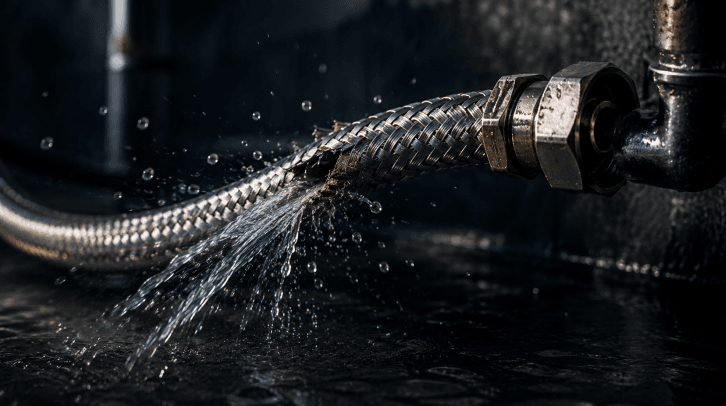
The braided flexi hoses under sinks and vanities can rupture suddenly without much warning.
Especially cheap imported hoses or older rubber-lined hoses.
Sometimes tenants report hearing a loud bang overnight before discovering water spraying through cupboards.
These failures can flood kitchens surprisingly quickly.
A lot of insurance claims across Sydney actually start from failed flexi hoses.
After major Sydney storms, blocked stormwater systems become a huge issue. Leaves, sediment and tree roots commonly choke old stormwater lines.
Tenants often think roof leaks are always roofing problems, but quite often the gutters and downpipes are overflowing because the underground stormwater cannot drain properly.
Water then tracks back into eaves, ceilings and walls.
Another common one in rental properties.
Tenants usually report:
A failing tempering valve can sometimes partially restrict flow internally.
This is especially common on older hot water systems.
Honestly, this is where problems happen.
Some after-hours plumbing operators quote extremely low callout fees then massively increase pricing once onsite.
Others perform poor temporary repairs that fail again days later. Unfortunately, emergency plumbing attracts a lot of rushed workmanship.
Quite often Plus Plumbing attends properties after previous temporary repairs have already failed.
Examples regularly seen include:
A proper emergency plumber should clearly explain:
Transparency matters a lot during emergencies.
There are a few simple things that can minimise damage while waiting for attendance.
If a major leak is occurring, shutting the water off can prevent huge amounts of damage.
A surprising number of tenants have no idea where the water meter is located.
In some unit complexes, isolation valves may be inside cupboards or communal plant areas instead.
If sewerage is backing up, continuing to flush toilets or run taps can worsen overflows quickly.
Photos help document the urgency of the issue and assist property managers later.
Even if they don’t answer immediately, it’s important tenants can show they attempted contact before arranging emergency repairs themselves.
Sometimes landlords see a large invoice and think:
“How did this cost so much?”
But after-hours emergency plumbing is genuinely harder work in many situations.
Parts suppliers may be closed.
In many emergencies, plumbers are effectively trying to minimise a much larger insurance claim from developing.
This is one of the biggest grey areas in rental plumbing.
A tenant may authorise emergency attendance to stop active damage.
But permanent rectification works often still require landlord approval afterwards.
For example:
Good plumbers make this distinction very clear in reports and invoices.
This happens constantly after-hours.
Especially on weekends, public holidays or overnight. A decent plumbing company will still usually attempt multiple contact methods before proceeding with major works unless immediate damage is occurring.
Quite often there’s a balance between:
Every situation is slightly different.
Yes, tenants in NSW can generally approve emergency plumbing repairs themselves in genuine urgent situations if reasonable contact attempts have been made first.
But not every plumbing issue qualifies as an emergency. The key is acting reasonably, documenting the issue properly and using an experienced licensed plumber who understands how rental emergency work actually operates. After-hours plumbing problems are stressful for everyone involved. The tenant wants the issue fixed. The landlord wants to avoid unnecessary costs.
The property manager wants the situation handled professionally. And the plumber needs to stabilise the issue properly without creating bigger problems later.
At Plus Plumbing, emergency plumbing callouts are handled across Sydney every week for tenants, homeowners and property managers dealing with burst pipes, blocked drains, sewer overflows, gas leaks and hot water failures.
The focus is always on honest advice, practical solutions and protecting the property properly from further damage.

Fill out the details below and we’ll get in touch to organise your free trial job
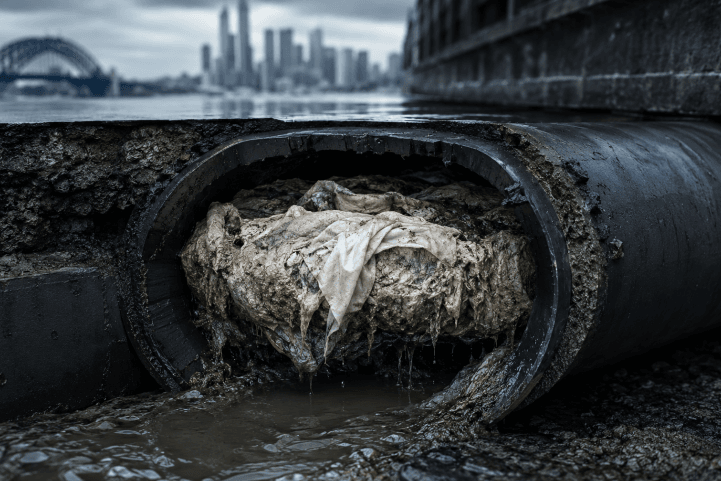
Most people have heard the term “flushable wipes” by now. The problem is, plumbers across Sydney are pulling these things...
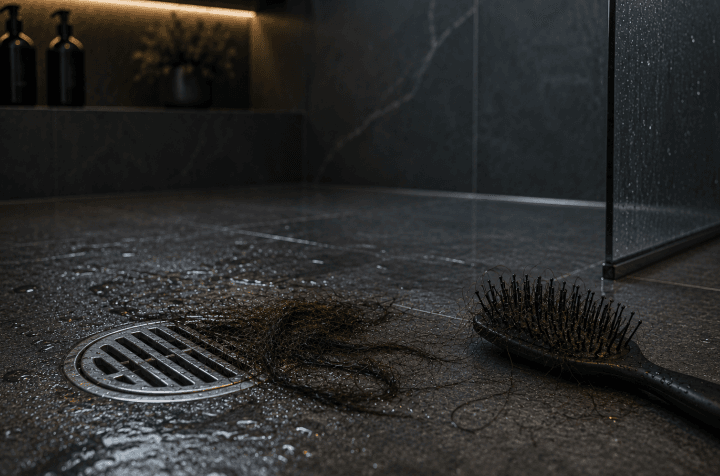
Most people assume hair going down the shower drain is normal and harmless. The problem is, it usually builds up...
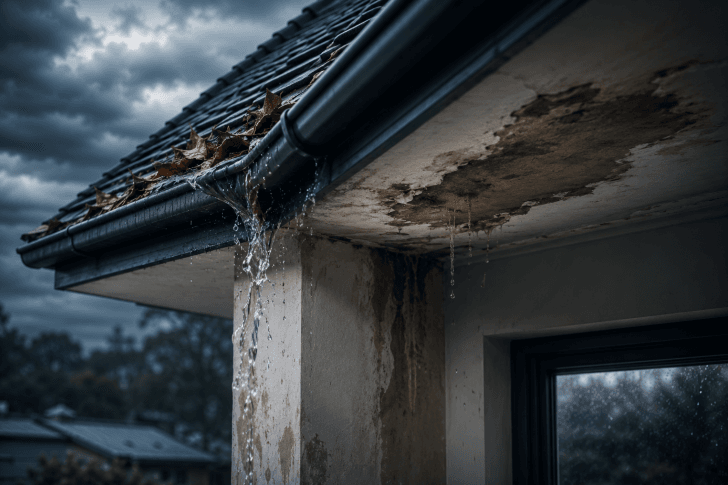
Written By Plus Plumbing Can Blocked Gutters Cause Internal Water Damage? Absolutely. Blocked gutters are one of the most common...
Written By Plus Plumbing Burst Flexi Hoses Explained | The $20 Plumbing Part That Floods Homes Most people don’t even...

Written By Plus Plumbing Are Flushable Wipes Actually Flushable? A Plumber’s Honest Answer There’s a good chance this article exists...

Written By Plus Plumbing How Long Do Hot Water Systems Last? Tips for Your HWS Hot water systems (HWS) are...
Serving the entire Sydney region, Plus Plumbing ensures prompt and reliable service to meet all your plumbing needs, no matter where you are located.
Every customer is important to us, so we always respond to quote requests within 24 hours (business days). Some requests need a site visit and appraisal, but you can rest assured we’ll be in touch as soon as we can and get things moving.

Free Quote
Choose an offer below and claim it before booking.
Book your plumbing service online and receive $50 off any paid service.
Never used Plus Plumbing before? Enjoy 15% off your first paid plumbing service.
Already used Plus Plumbing? Book your next plumbing service online and receive $100 off.
Offers subject to Terms & Conditions.
Your has been registered against your enquiry.
Our team will contact you to arrange your booking.