LIC #455854C • Licensed & Insured
LIC #455854C • Licensed & Insured
Most people don’t even know what a flexi hose is until one bursts and floods the house.
They’re one of the smallest plumbing parts in a home but easily one of the most common causes of major internal water damage across Sydney. Quite often the damage doesn’t happen slowly either. A burst flexi hose can dump thousands of litres of water into a property in a matter of hours if nobody’s home to catch it.
Most people don’t even know what a flexi hose is until one bursts and floods the house.
They’re one of the smallest plumbing parts in a home but easily one of the most common causes of major internal water damage across Sydney. Quite often the damage doesn’t happen slowly either. A burst flexi hose can dump thousands of litres of water into a property in a matter of hours if nobody’s home to catch it.
It’s something plumbers see constantly.
A client might come home from work and find water pouring through the ceiling downstairs. Or a tenant notices swollen skirting boards near the kitchen cupboards. Sometimes the first sign is the smell of damp carpet or a suddenly massive Sydney Water bill.
In a lot of cases, the actual failed part is only worth around $20.
The frustrating part is many of these floods are preventable.
This article explains what flexi hoses are, why they fail, what warning signs to look for and when they should actually be replaced before they cause serious damage.
A flexi hose is the flexible braided pipe commonly used to connect taps, mixers, toilets and some appliances to the water supply.
You’ll normally find them under:
Most modern homes in Sydney have dozens of them.
The outside is usually a braided stainless steel covering but underneath that braid is a rubber or plastic inner hose carrying the actual water pressure.
That’s the important part many people don’t realise.
The shiny braided outer layer often still looks perfectly fine even when the internal hose is badly deteriorated.
There’s usually not one single reason. It’s normally a combination of age, pressure, installation quality and environmental conditions.
Flexi hoses do not last forever. A lot of homeowners assume because they’re hidden under a sink they’ll just keep working indefinitely. In reality, they’re considered a wear-and-tear plumbing component.
Around Sydney, it’s very common to find original flexi hoses still installed in homes from early 2000s renovations. Some are even older.
The problem is the inner rubber lining slowly weakens over time from constant pressure and temperature changes. Eventually, the hose can split internally and rupture.
Quite often, plumbers attend jobs where the hose looked completely normal externally until it suddenly exploded overnight.
Cheap imported flexi hoses fail far more often. This is something seen regularly after quick renovations or budget bathroom upgrades.
A homeowner might spend thousands on tiles and tapware, but then the installer uses the cheapest hoses available.
Some cheaper hoses use poor crimp fittings or lower-grade internal rubber which deteriorates rapidly under Australian water conditions. In certain cases, the stainless braid itself even begins rusting underneath cupboards where moisture builds up.
High water pressure is brutal on flexi hoses. Many Sydney homes, especially around lower-lying suburbs or properties near pumping infrastructure, experience very high mains pressure.
The hose might survive for years under normal pressure, but excessive pressure constantly stresses the fittings and inner lining.
This is one reason plumbers often recommend pressure limiting valves in certain properties. It’s not just about protecting flexi hoses either. High pressure also shortens the lifespan of mixers, tempering valves, toilet inlet valves, and hot water systems.
This is another common issue plumbers see onsite.
Flexi hoses should never be twisted tightly or stretched under tension during installation. Sometimes after a basin mixer replacement you’ll find the hoses kinked sharply behind the vanity because the installer forced them into place.
That constant twisting weakens the hose over time. Quite often the failure point ends up being right near the crimp fitting where stress concentrates.
Under-sink cupboards near hot water lines can become surprisingly warm.
The constant heat exposure, especially on hot water flexi hoses, slowly accelerates deterioration internally.
This becomes even more common in tight vanity units with poor airflow.
Usually a lot of water very quickly. A fully burst flexi hose connected directly to mains pressure can continuously discharge water until someone isolates the supply.
If the property is vacant during the day or the owners are away for the weekend, the damage can become catastrophic.
Plumbers regularly attend properties where:
One particularly common scenario in Sydney is upstairs bathroom basin hoses bursting overnight. Water leaks through the vanity cabinet then slowly tracks through the floor into the ceiling cavity below.
By morning, the ceiling downstairs is bulging with water.
In older homes around areas like Parramatta, Ryde, and Blacktown, it’s also common to find water spreading unnoticed under floating timber floors before anyone realises there’s a problem.
Sometimes flexi hoses fail without warning.
But quite often there are signs people miss
If there’s rust staining near the ends of the hose that’s a bad sign.
The crimp connections are one of the most common failure points.
Any visible corrosion should be investigated properly.
If the hose looks swollen or distorted replace it immediately.
That usually means the internal lining has already weakened.
A small intermittent leak before total failure is common.
Many homeowners ignore minor dampness under sinks assuming someone spilled water.
Then the hose eventually bursts completely weeks later.
If the stainless braid looks loose, damaged or frayed the hose should be replaced.
Even if they look fine externally older hoses become increasingly risky.
A lot of plumbers recommend proactive replacement around the 8-10 year mark especially in high-risk areas.
These are probably the most common.
Kitchen mixers get constant daily use and the hoses underneath are exposed to movement, cleaning chemicals, and moisture.
A lot of people also pack cleaning products tightly around the hoses under the sink, which traps moisture and accelerates corrosion.
These are dangerous because they often fail unnoticed.
Toilet hoses are usually hidden behind the pan or cistern where nobody looks regularly.
Some older toilet hoses are still running original rubber washers from decades ago.
Very common in apartment buildings.
In many Sydney units, the vanity cupboards are tiny which means hoses are often bent sharply during installation.
Combined with high pressure systems, this creates a perfect failure setup.
These are exposed to constant temperature fluctuations.
Cheap connectors near hot water systems fail regularly, especially if installed externally without proper protection.
Sydney has a huge mix of older homes, renovations and apartment buildings.
A lot of properties have had multiple renovations over the years with varying installation quality.
Plumbers commonly discover:
Tree movement and building settling can also place stress on pipework and hoses over time.
In some older unit blocks, plumbers still find original flexi hoses from early apartment construction phases.
Many owners simply have no idea these hoses are considered maintenance items.
Absolutely.
A few simple checks can dramatically reduce the risk.
Most people only call plumbers once something leaks.
But during routine plumbing maintenance, plumbers can often identify ageing hoses before failure occurs.
Quite often during a blocked drain callout or hot water service, plumbers notice deteriorated hoses incidentally under nearby sinks.
Waiting until they burst is risky.
Compared to the potential water damage cost replacing old hoses is relatively cheap.
This is something plumbers strongly recommend during renovations.
Mini stops or mini isolation valves allow individual fixtures to be isolated quickly during emergencies.
Without them, sometimes the entire property water supply needs to be shut off.
If a property has unusually high water pressure, it’s worth investigating properly.
Pressure limiting valves can protect the entire plumbing system long term.
Cheap mixers often come with low-quality hoses included.
Plumbers see this constantly with online bargain tapware.
The tap itself might look good initially, but the internals and hoses are usually where corners get cut.
First thing is don’t panic.
The priority is isolating the water supply immediately
If there’s a valve under the sink or behind the toilet, turn it off immediately.
Sometimes, though, the valve itself is seized or starts leaking once touched. That’s actually very common in older homes.
If the local valve fails, isolate the water at the water meter.
Every homeowner should know where their water meter is before an emergency happens.
If water is near power points, appliances or switchboards avoid touching anything electrical.
Even if the hose seems straightforward there’s often more involved.
Plumbers frequently find:
It varies depending on access, the number of hoses and whether valves also need replacing.
Generally speaking though replacing flexi hoses is far cheaper than repairing flood damage.
A simple preventative hose replacement job might only take a plumber a short amount of time.
Compare that to insurance claims involving:
Some insurance excesses alone cost more than replacing every flexi hose in the property.
Sometimes yes. Sometimes not fully.
Insurance companies increasingly investigate maintenance-related water damage carefully.
If a hose was obviously deteriorated or extremely old, there can sometimes be disputes around preventable maintenance.
This is another reason regular plumbing inspections matter.
You should organise a plumbing inspection if:
A lot of homeowners only inspect visible plumbing fixtures but the hidden components underneath are often the real problem.
Flexi hoses are one of those plumbing components most people never think about until something goes badly wrong.
They’re small, hidden, and relatively cheap, but they fail more often than many homeowners realise.
Plumbers across Sydney attend burst flexi hose floods constantly, and quite often the damage could have been avoided with a simple inspection or preventative replacement.
If your property has older flexi hoses or you’re unsure how old they are, it’s worth getting them checked properly before they become a much bigger problem.
Plus Plumbing services homes across Sydney with preventative plumbing maintenance, leak investigations, and emergency plumbing repairs.


Fill out the details below and we’ll get in touch to organise your free trial job
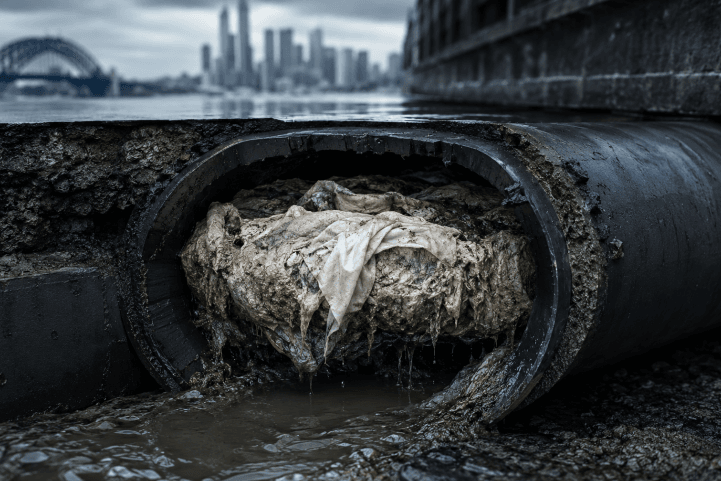
Most people have heard the term “flushable wipes” by now. The problem is, plumbers across Sydney are pulling these things...
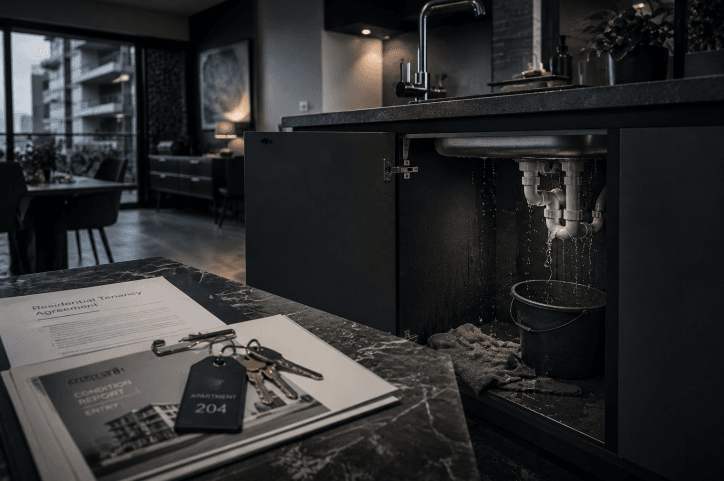
One of the most common situations seen in Sydney plumbing is a tenant reporting a major leak or blocked sewer...
Most people assume hair going down the shower drain is normal and harmless. The problem is, it usually builds up...
Written By Plus Plumbing Can Blocked Gutters Cause Internal Water Damage? Absolutely. Blocked gutters are one of the most common...

Written By Plus Plumbing Are Flushable Wipes Actually Flushable? A Plumber’s Honest Answer There’s a good chance this article exists...

Written By Plus Plumbing How Long Do Hot Water Systems Last? Tips for Your HWS Hot water systems (HWS) are...
Serving the entire Sydney region, Plus Plumbing ensures prompt and reliable service to meet all your plumbing needs, no matter where you are located.
Every customer is important to us, so we always respond to quote requests within 24 hours (business days). Some requests need a site visit and appraisal, but you can rest assured we’ll be in touch as soon as we can and get things moving.

Free Quote
Choose an offer below and claim it before booking.
Book your plumbing service online and receive $50 off any paid service.
Never used Plus Plumbing before? Enjoy 15% off your first paid plumbing service.
Already used Plus Plumbing? Book your next plumbing service online and receive $100 off.
Offers subject to Terms & Conditions.
Your has been registered against your enquiry.
Our team will contact you to arrange your booking.