LIC #455854C • Licensed & Insured
LIC #455854C • Licensed & Insured
There’s a good chance this article exists because a toilet in your house has started gurgling,
draining slowly or completely blocked up after someone in the home started using “flushable”
wipes.
There’s a good chance this article exists because a toilet in your house has started gurgling,
draining slowly or completely blocked up after someone in the home started using “flushable” wipes.
And honestly, this is something plumbers across Sydney deal with almost daily now.
Despite what the packet says, most flushable wipes are one of the biggest causes of blocked drains and sewer problems in modern homes. They might disappear down the toilet bowl when flushed, but that does not mean they properly break down inside your drainage system.
A toilet can flush plenty of things that should never actually be there.
Quite often, homeowners assume that if a product is sold beside toilet paper and labelled “flushable”, it must be safe. Unfortunately, real-world plumbing tells a different story.
Across older Sydney suburbs especially, wipes regularly combine with tree roots, grease buildup or ageing pipework and create major sewer blockages underground. In newer homes, they
can jam sewer pumps, macerators and tight junctions inside the drainage system.
Some homes can go years without issues then suddenly end up with sewer overflowing into
bathrooms, gully traps or outside drains because wipes finally caught on something downstream.
The main issue is simple:
Toilet paper is designed to break apart very quickly in water.
Flushable wipes are not.
Even the wipes marketed as “sewer safe” or “biodegradable” usually stay physically intact for far longer than normal toilet paper. They’re made stronger because people expect them not to tear apart during use.
That strength becomes the problem once they enter your drains.
Inside sewer pipes, wipes tend to:
Once a few wipes catch somewhere, more usually follow.
After enough accumulation, the pipe slowly loses flow capacity until sewage can no longer pass properly.
Quite often during drain camera inspections around Sydney, large sections of wipes can be seen hanging through root intrusion areas inside old terracotta sewer pipes.
In many cases, the wipes themselves weren’t the original problem. The drain may already have had minor root intrusion or a slight belly in the line. The wipes simply accelerated the blockage dramatically.
This is where a lot of homeowners understandably get frustrated.
Technically, many wipes can physically pass through a toilet trap. That’s usually what
manufacturers mean by “flushable.”
But plumbers look at the entire drainage system, not just the toilet bowl.
There’s a massive difference between:
A wipe making it 2 metres past the pan does not mean it safely travelled through:
Realistically, many wipes stay mostly intact for days or even weeks.
Some brands are definitely worse than others, but even the better-quality ones still create
problems regularly onsite.
A lot of Sydney’s older suburbs still have ageing clay sewer lines underground.
Areas around Blacktown, Parramatta, Ryde, Ashfield and parts of the Hills District commonly have older terracotta drainage systems that are already vulnerable to:
These older systems were never designed with wipes in mind.
Once wipes start travelling through compromised pipes, they easily catch and begin building up
debris.
Quite often homeowners say things like:
“But we’ve flushed wipes for years with no issue.”
That’s actually very common.
Usually what happens is the drainage system slowly deteriorates over time until one day the wipes finally start snagging badly enough to create repeated blockages.
The wipes become the trigger point rather than the sole cause.
When attending blocked sewer jobs involving wipes, there’s often a pattern.
The homeowner might notice:
Many people initially think it’s just a single blocked toilet.
But after inspection, the blockage is often further downstream in the main sewer line.
Once a jet blast and drain camera inspection are carried out, common findings include:
This is probably the biggest one across Sydney.
Fine tree roots enter tiny cracks in sewer pipes searching for moisture. Once wipes catch on
those roots, more debris builds up quickly.
Over time, the blockage grows thicker and thicker.Sometimes massive root masses are discovered completely packed with wipes, toilet paper and
sludge.
Some older pipes gradually sink over decades.
This creates low sections where water sits instead of flowing properly.
Wipes tend to settle in these low spots and slowly accumulate.
Quite often after clearing wipes, a drain camera inspection reveals sections of collapsed or
cracked clay pipe underneath gardens or driveways.
The wipes themselves were only exposing a bigger issue already developing underground.
This is very common in homes where wipes and cooking grease both enter the drainage system.
The grease coats the pipe walls then wipes stick to the greasy surfaces and start collecting more
debris.
Eventually the pipe diameter becomes heavily restricted.
Yes, absolutely.
Not every home will instantly block from wipes, but over time they significantly increase the risk
of:
Homes with septic systems are especially vulnerable.
Wipes can seriously interfere with septic tank operation because they don’t break down
efficiently inside the tank.
Even newer PVC sewer systems are not immune.
Modern pipes flow better than old clay systems, but wipes can still accumulate around:
A lot of people assume:
“If the toilet flushes normally, everything must be fine.”
That’s not always true.
Blocked drains often build up slowly over months.
The system may still technically drain while restrictions are developing underground.
Then suddenly after heavy usage, rainfall or additional debris entering the line, the whole system
backs up at once.
This is why many blocked drain emergencies seem to “randomly” happen overnight.
In reality, the restriction has often been building for quite some time.
Baby wipes are one of the worst offenders plumbers see.
They’re designed to be extra durable and thick which makes them terrible for drainage systems.
Even if the packet claims they’re flushable, most plumbers would strongly advise against flushing
them.
Quite often homes with young children experience blocked drains more regularly because wipes
are being flushed multiple times per day.
This becomes especially problematic in older sewer systems already dealing with root intrusion.
From a plumbing perspective, the safest answer is simple:
No wipe is safer than toilet paper.
Some wipes may break down better than others, but plumbers still regularly remove all types
from blocked drains.
If homeowners want to avoid future drainage problems, the safest option is always:
That advice alone prevents a huge percentage of residential sewer blockages.
There are a few early warning signs worth paying attention to.
This can indicate restricted sewer flow further downstream.
If multiple fixtures drain slowly at once, it’s often a sewer issue rather than an isolated blockage.
Overflow relief gullies or boundary traps can begin smelling before fully overflowing.
If plunging temporarily fixes the issue but blockages keep returning, there may be wipes
accumulating further along the line.
After rainfall or heavy water usage, partially blocked sewer lines can overflow externally.
A lot of homeowners try supermarket drain cleaners first.
Unfortunately, these products usually do very little against wipes.
Wipes physically tangle and accumulate rather than simply dissolving.
Chemical cleaners also cannot:
In some cases, harsh chemicals can even damage older pipework or create safety hazards for
plumbers attending later.
Professional blocked drain clearing usually involves specialised equipment.
High-pressure jet blasting is commonly used to cut through wipe build-up, sludge and roots.
Special nozzles scour the pipe internally while flushing debris downstream.
After clearing the blockage, a drain camera inspection is extremely important.
This helps identify:
Without a camera inspection, the underlying cause often remains hidden.
If damaged sections are discovered, electronic locating equipment can pinpoint the exact repair
location above ground.
This avoids unnecessary excavation.
Definitely.
Apartment drainage systems can actually be more sensitive in some situations.
Shared sewer stacks, smaller branch drains and long horizontal runs can all contribute to wipe
accumulation.
In apartment buildings, wipes can affect multiple units once a blockage develops.
Quite often strata plumbers discover wipes wrapped around sewer pump systems or jammed
inside common drainage infrastructure.
These repairs can become very expensive once strata involvement begins.
Many homeowners don’t realise how expensive sewer repairs can become once blockages
escalate.
A simple blocked drain service may be relatively straightforward if caught early.
But ongoing wipe usage can eventually lead to:
In some severe cases, sewer backups inside homes can also create hygiene and insurance
complications.
Prevention is honestly pretty simple.
This is still the best rule.
Even “flushable” wipes.
Don’t wait until sewage is overflowing outside.
If your home has older clay pipes or recurring sewer issues, a preventative drain camera
inspection can save major headaches later.
Grease and wipes together create terrible blockages.
It’s worth getting a plumber involved if you notice:
The earlier sewer issues are investigated, the better chance there is of avoiding major repairs.
A simple blockage today can become a collapsed sewer excavation later if ignored too long.
The pressure relief valve helps prevent excessive pressure buildup in the system. Testing the valve periodically to ensure it is functioning correctly and replacing it if it is faulty can help prevent hazardous situations and extend the system’s lifespan.
Flushable wipes might seem harmless, but onsite plumbing experience tells a very different story.
Across Sydney, they’re one of the most common contributors to blocked sewer drains, especially in older homes with ageing pipework and tree root intrusion.
Most homeowners don’t realise there’s a problem until sewage starts backing up somewhere it shouldn’t.
The safest long-term approach is simple: flush toilet paper only and bin the wipes.
If you’re already noticing signs of sewer problems or recurring blockages around your home, Plus Plumbing carries out professional blocked drain clearing, jet blasting, and drain camera inspections across Sydney.
Quite often, catching the issue early can prevent a much bigger repair later on.

Fill out the details below and we’ll get in touch to organise your free trial job
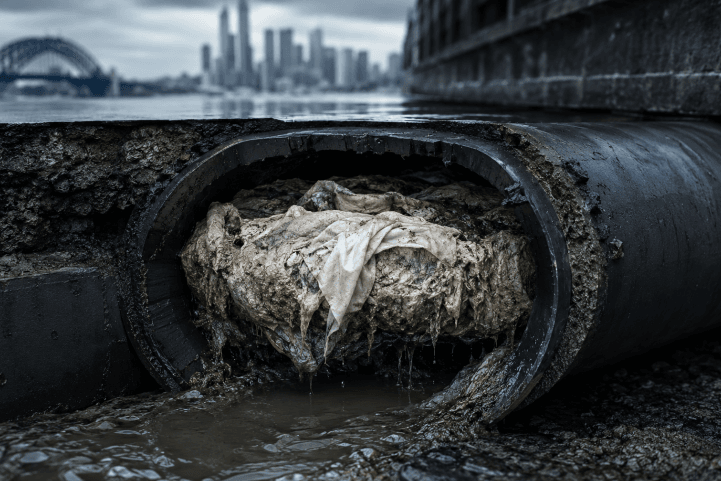
Most people have heard the term “flushable wipes” by now. The problem is, plumbers across Sydney are pulling these things...
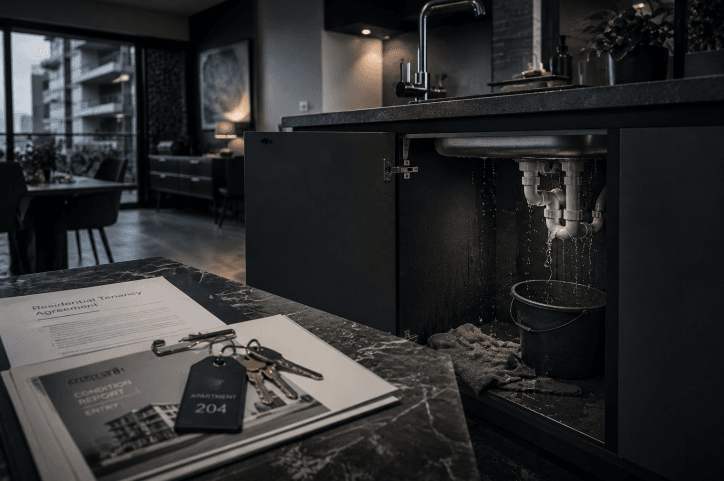
One of the most common situations seen in Sydney plumbing is a tenant reporting a major leak or blocked sewer...
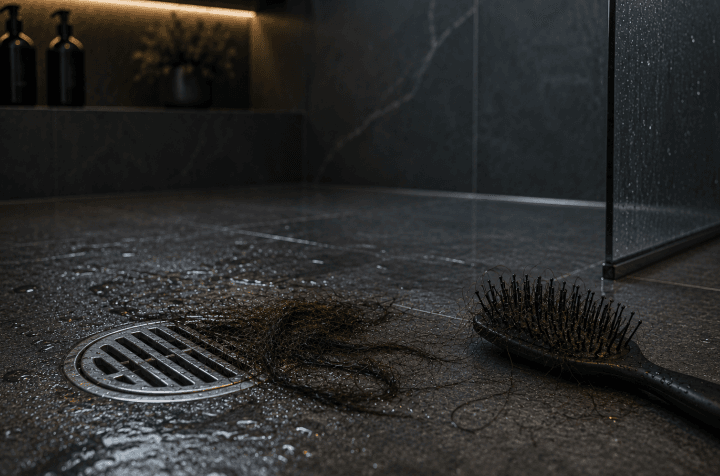
Most people assume hair going down the shower drain is normal and harmless. The problem is, it usually builds up...
Written By Plus Plumbing Can Blocked Gutters Cause Internal Water Damage? Absolutely. Blocked gutters are one of the most common...
Written By Plus Plumbing Burst Flexi Hoses Explained | The $20 Plumbing Part That Floods Homes Most people don’t even...

Written By Plus Plumbing How Long Do Hot Water Systems Last? Tips for Your HWS Hot water systems (HWS) are...
Serving the entire Sydney region, Plus Plumbing ensures prompt and reliable service to meet all your plumbing needs, no matter where you are located.
Every customer is important to us, so we always respond to quote requests within 24 hours (business days). Some requests need a site visit and appraisal, but you can rest assured we’ll be in touch as soon as we can and get things moving.
Free Quote
Choose an offer below and claim it before booking.
Book your plumbing service online and receive $50 off any paid service.
Never used Plus Plumbing before? Enjoy 15% off your first paid plumbing service.
Already used Plus Plumbing? Book your next plumbing service online and receive $100 off.
Offers subject to Terms & Conditions.
Your has been registered against your enquiry.
Our team will contact you to arrange your booking.